
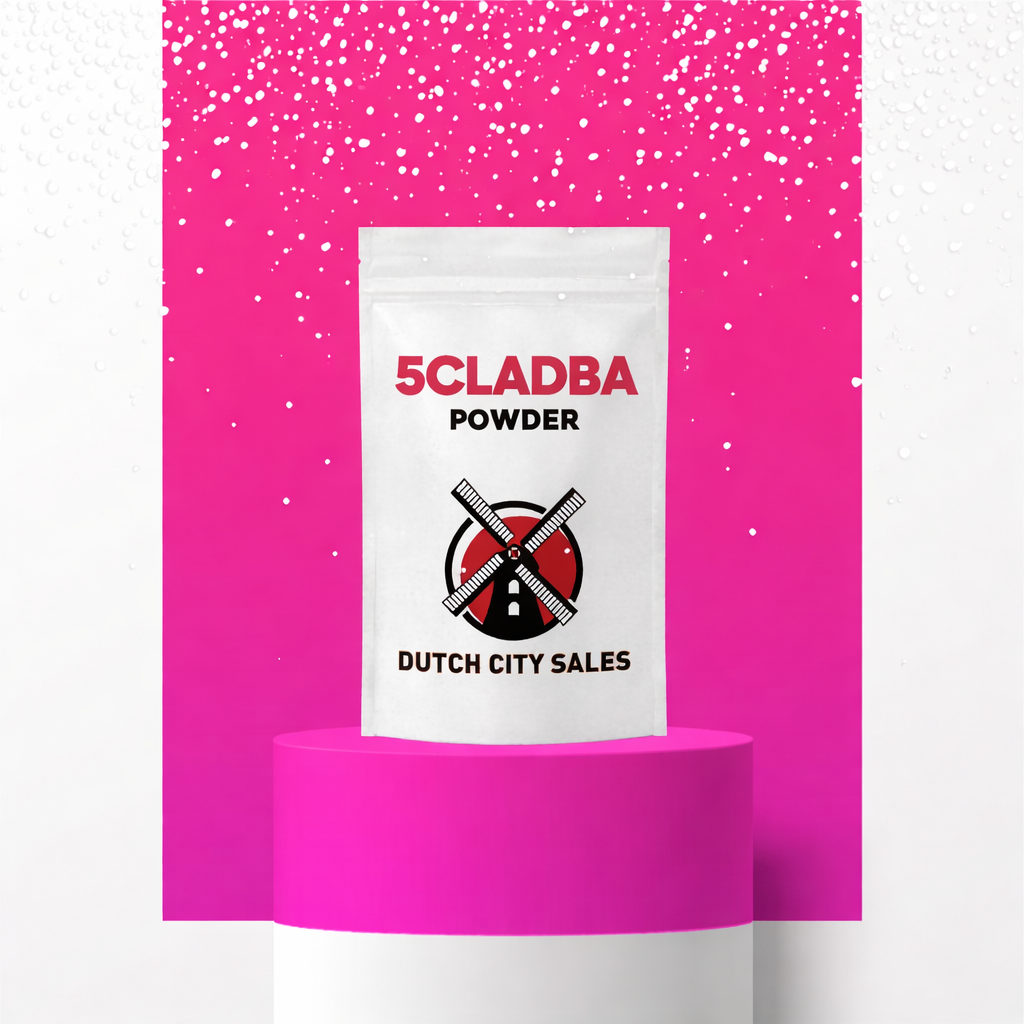
5CL-ADB Pinaca Powder
Original price was: € 600,00.€ 450,00Current price is: € 450,00.
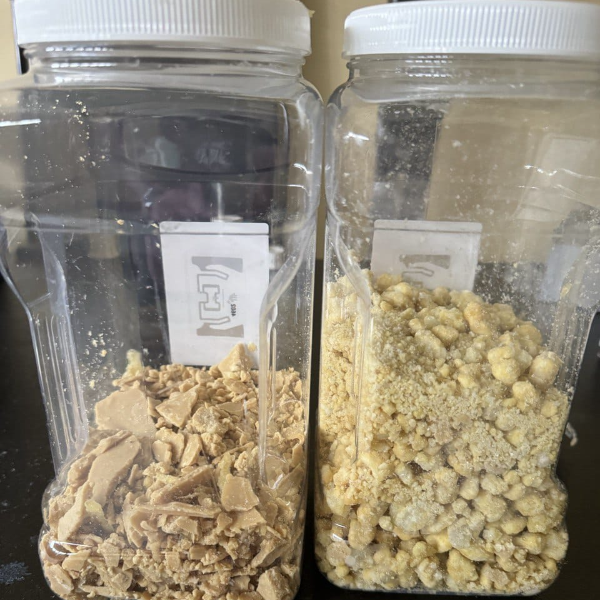
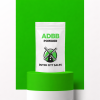
5CL-ADB PINACA is a high-purity synthetic cannabinoid research chemical supplied as a finished product for analytical and pharmacological study. This potent CB1/CB2 receptor agonist is provided as a white to off-white crystalline powder with verified purity ≥98% (HPLC/GC-MS). It is strictly intended for use as a reference standard in forensic toxicology, metabolic research, and receptor binding assays.
Key Features:
-
≥98% Purity (HPLC/GC-MS verified)
-
Comprehensive Certificate of Analysis (CoA)
-
Packaged under inert gas for stability
-
Designed for forensic and analytical research
5CL-ADB-PINACA Finished Product – A High-Purity Research Chemical
5CL-ADB PINACA (5CL-ABINACA) is a synthetic indazole-based cannabinoid belonging to the broader class of compounds designed to act as potent agonists at the CB1 and CB2 cannabinoid receptors. As a finished product, this material is presented in its final form for the dedicated purpose of chemical and pharmacological research. Our product is characterized by its exceptional analytical purity and consistency, providing researchers with a reliable standard for in-vitro study.
This compound is of significant interest in the study of the endocannabinoid system, receptor binding affinity, and the structural activity relationships (SAR) of synthetic cannabinoids. It is supply strictly as a non-human, non-diagnostic research chemical.
Key Features & Advantages:
-
Exceptional Analytical Purity: Each batch is synthesized and purified to exceed >98% purity. (HPLC/GC-MS verified), minimizing the presence of unknown byproducts that could confound research data.
-
Comprehensive Analytical Certification: Supplied with a full suite of analytical documentation, including a Certificate of Analysis (CoA) detailing purity, HPLC/GC-MS chromatograms, and NMR data for definitive structural confirmation.
-
Strictly for Control Research: This finish product intends solely for use as a reference material in license laboratory settings for forensic analysis, pharmacological assay development, and metabolic studies.
-
Stability & Integrity: Packaged under an inert atmosphere in light-resistant, sealed containers to ensure long-term chemical stability and protect from degradation caused by heat, light, and moisture.
-
Consistent Composition: Manufactured in single batches to ensure homogeneity and reliable performance across all research applications, from receptor binding studies to analytical method development.
Chemical Specifications:
-
Systematic Name: N-[(2S)-1-Amino-3-methyl-1-oxobutan-2-yl]-1-(5-chloropentyl)-1H-indazole-3-carboxamide
-
Common Names: 5CL-ADB PINACA; 5CL-ABINACA
-
CAS Number: [Note: A specific CAS may not be universally assign or may be proprietary. Often listed under a general research chemical CAS.]
-
Molecular Formula: C₁₈H₂₅ClN₄O₂
-
Molecular Weight: 364.87 g/mol
-
Appearance: White to off-white crystalline powder or solid.
-
Purity: ≥98% (HPLC)
-
Solubility: Soluble in common organic solvents (e.g., DMSO, ethanol, methanol); low solubility in aqueous buffers.
Mechanism of Action (Research Context):
5CL-ADB-PINACA is a potent agonist of the cannabinoid receptors CB1 and CB2. In research settings, it bind with high affinity to these G-protein-couple receptors. Mimicking the effects of natural cannabinoids like THC but often with significantly greater potency and efficacy. Its primary research value lies in its utility for:
-
Receptor Binding Assays: Studying binding affinity (Ki) and potency (EC50) at CB1 and CB2 receptors.
-
Functional Assays: Investigating agonist-induced receptor activation and downstream signaling pathways (e.g., cAMP inhibition, β-arrestin recruitment).
-
Metabolic Studies: Identifying in-vitro and in-vivo metabolites for forensic toxicology and clinical research.
Applications & Intended Use:
This product is a finished research chemical intended exclusively for non-human. In-vitro research applications in controlled laboratory environments.
Its primary applications include:
-
Forensic Toxicology & Reference Standard: Used by forensic laboratories as a certified reference material to identify and quantify this specific synthetic cannabinoid in unknown samples for law enforcement and public health monitoring.
-
Pharmacological Research: Utilized in university and institutional research settings to study the endocannabinoid system, receptor pharmacology, and the effects of high-potency agonists.
-
Analytical Method Development: Serves as a high-purity standard for developing and validating sensitive analytical methods such as HPLC-MS/MS. GC-MS, and NMR for the detection of novel psychoactive substances.
-
Metabolic Profiling: Used in in-vitro studies (e.g., with hepatocyte cultures or microsomal enzymes) to identify potential metabolic pathways and major metabolites.
Packaging & Storage:
To preserve the integrity of this potent compound, it is package with the utmost care:
-
Primary Container: Sealed inside a glass vial or mylar bag with an airtight septum.
-
Protective Packaging: The primary container is house within a light-resistant, vacuum-seal bag.
-
Inert Atmosphere: Packaged under an inert gas (Argon or Nitrogen) to prevent oxidative degradation.
-
Desiccant: Includes a desiccant pack to control moisture.
-
Standard Sizes: Typically available in milligram quantities (e.g., 100mg, 250mg, 500mg, 1g) for research purposes.
Storage Conditions: Must be store at frozen temperatures (-20°C) or refrigerate (2-8°C) for long-term stability. Keep the container tightly sealed and protected from light. Store in a secure, access-controlled facility.
Quality & Compliance:
Every batch is synthesize and analyze in a dedicated research-grade laboratory. The comprehensive Certificate of Analysis (CoA) provides full analytical traceability, including chromatographic data and spectroscopic confirmation.
Be the first to review “5CL-ADB Pinaca Powder”
Related products
Uncategorized
Uncategorized
Uncategorized
Uncategorized
Uncategorized
Uncategorized
Uncategorized
Uncategorized
Reviews
There are no reviews yet.